
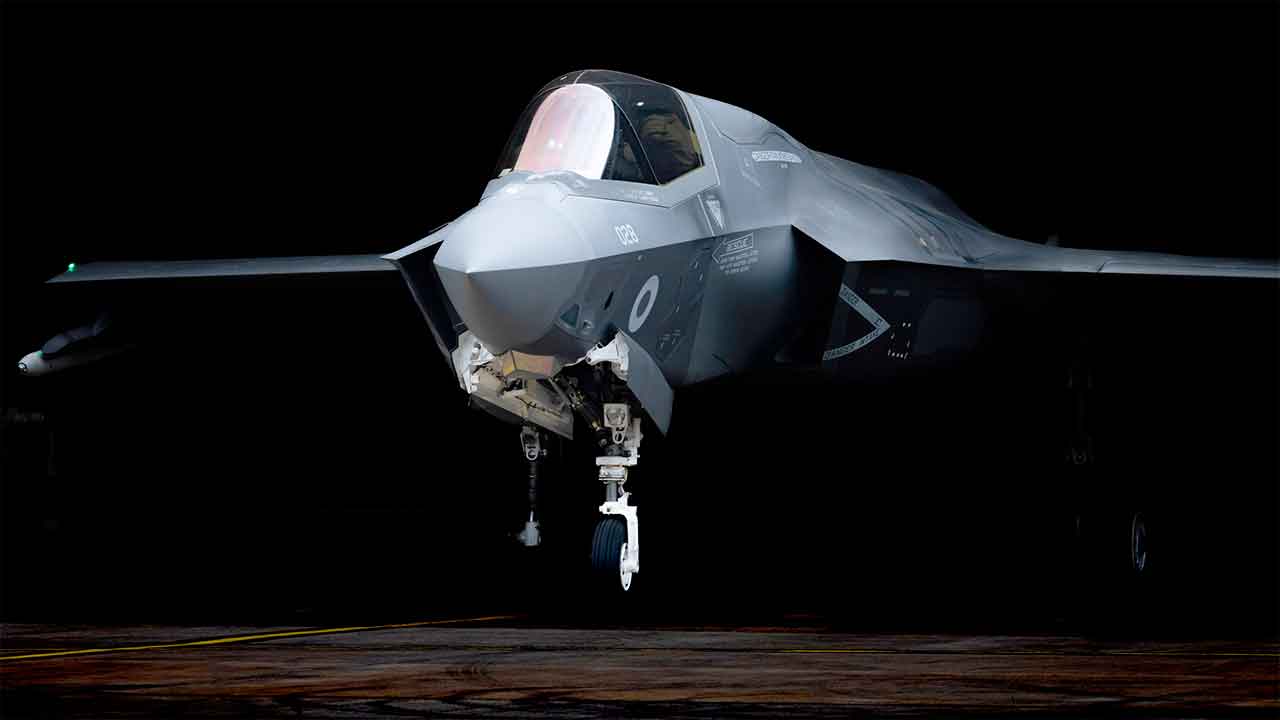
The Royal Air Force (RAF) will be equipped with twelve new fifth-generation F-35A aircraft as part of the UK’s Defence and Security Review. The acquisition marks a significant step toward building a more lethal and interoperable Integrated Force, capable of deterring, fighting, and defeating modern threats.
The British F-35A will be assigned to NATO’s nuclear deterrence mission in the event of a crisis, strengthening the UK’s contribution to the Alliance’s nuclear sharing arrangements. The introduction of this aircraft represents the RAF’s return to an air-delivered nuclear deterrent role for the first time since the Cold War, when the country retired its air-launched nuclear weapons.
“The threat we face today is more serious and less predictable than at any point since the Cold War. We are confronted with war in Europe, increased Russian aggression, new nuclear risks, and daily cyberattacks. Equipping the RAF with the F-35A demonstrates our unwavering commitment to the ‘NATO First’ principle,” stated the Chief of the Air Staff, Air Chief Marshal Sir Rich Knighton.
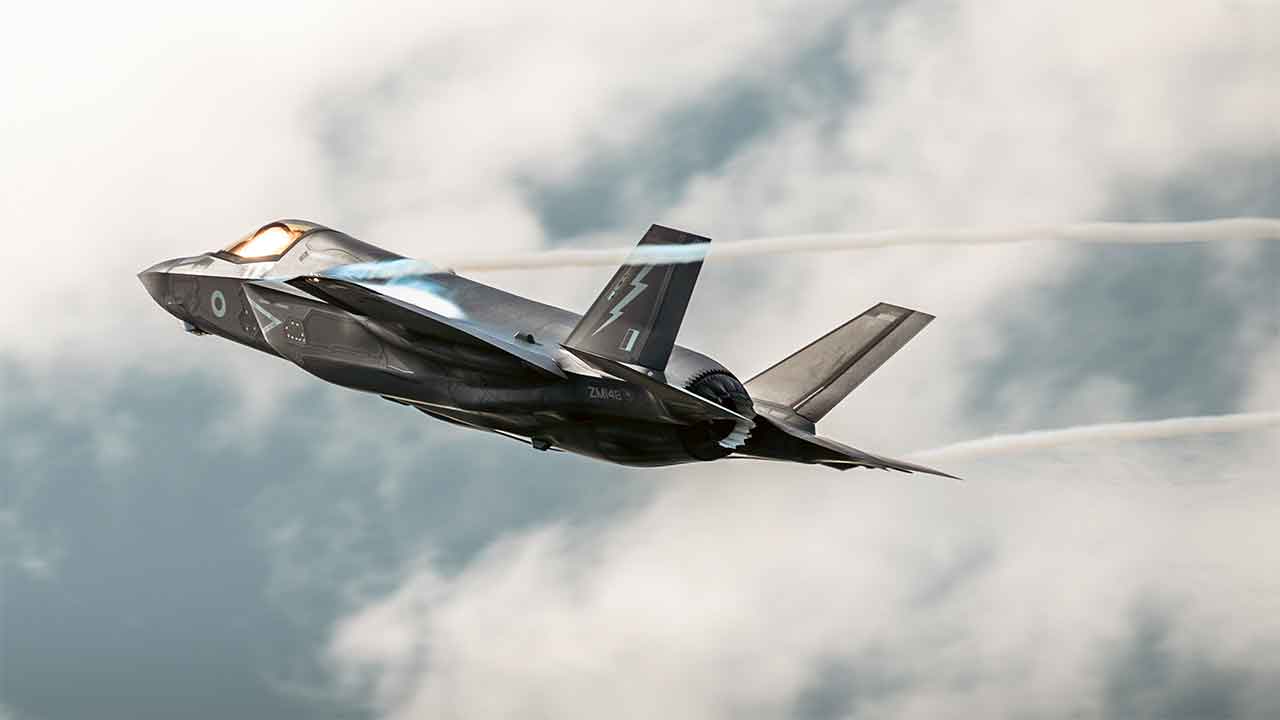
F-35 Fleet Expansion and RAF Modernization
As part of the second phase of a 27-aircraft acquisition, the UK will purchase a mix of twelve F-35As and fifteen F-35Bs, with additional purchases planned under the Defence Investment Plan. The country maintains its stated intention to acquire up to 138 units throughout the F-35 program.
In day-to-day operations, the F-35As will be operated by No. 207 Squadron, the unit responsible for Operational Conversion Unit (OCU) training. With greater fuel capacity and lower maintenance requirements compared to the F-35B, the F-35A will allow for more flight hours per sortie, enhancing pilot training and speeding up their transition to front-line squadrons.
“Placing the F-35A at the OCU was a deliberate decision. It offers more flight time per mission and requires less maintenance, which reduces the time needed to train new pilots and strengthens our force generation capability for naval and air operations,” said Air Vice-Marshal Beck, Director of Capability and Programmes.
Strategic Integration and NATO Interoperability
Designed to operate from conventional runways, the F-35A offers longer range, increased payload, and superior maneuverability. The new aircraft will be based at RAF Marham and will support the creation of a third front-line F-35 Lightning squadron.
Moreover, the A variant of the F-35 is the most common among European allies, making it a true force multiplier for NATO by enhancing allied deterrence and joint responsiveness to current and future challenges.
The Typhoon will continue to play a key role in the composition of the UK’s air combat force. The integration of the Typhoon, F-35A, F-35B, and future fighters from the GCAP program, combined with autonomous systems, aims to build a modern RAF, ready to defend the UK’s skies and operate effectively on a global scale.
Source: UK Ministry of Defence / RAF. Images: Courtesy / RAF. This content was created with the help of AI and reviewed by the editorial team.
